Key Takeaways
- Visit Banda Islands during the March–May dry season for optimal diving and snorkeling conditions.
- September–November offers serene weather and calmer seas, ideal for luxury tour packages and cruises.
- Live-aboard cruises and luxury packages are popular, with prices starting at $10,050 for 8–22 days.
- Inter-island boat hires are affordable, ranging from IDR 120,000 to IDR 500, enhancing island exploration.
For the best Banda Island experience in 2027, choose the dry seasons of March–May or September–November. These periods offer optimal conditions for diving, snorkeling, and exploring historical sites without the challenges posed by the wet season’s unpredictable weather and seas.
Weather Patterns and Climate
The Banda Islands, situated in the Maluku region, are known for their distinct wet and dry seasons. The dry season typically occurs from May to September, with the transition into these months starting as early as March. During this time, visitors can expect less rainfall, making it ideal for outdoor activities such as diving and hiking. The islands’ temperatures generally range from 25°C to 30°C (77°F to 86°F), providing warm and pleasant conditions.
In contrast, the wet season stretches from November through March. This period is characterized by increased rainfall, which can lead to rough seas and affect ferry schedules. However, the wet season’s lush landscape offers a different charm, with rich greenery and less crowded tourist spots. Despite this, the unpredictability of the weather makes the dry season the preferred time for most travelers planning a tour of the Banda Islands. The islands experience their highest rainfall in January, with precipitation exceeding 300mm, contrasting sharply with the dry months where rainfall can be as low as 70mm.
Travel and Accessibility
Reaching the Banda Islands can be an adventure in itself. Travelers often arrive at Banda Neira via a 7-hour ferry from Ambon, though these voyages can be highly unpredictable during the wet season. As a result, many opt for live-aboard cruises, which provide a more reliable and comfortable journey. Companies like SeaTrek Sailing Adventures and Heritage Expeditions offer these services, with itineraries that extend from 7 to 14 days. Prices for luxury packages start at approximately $10,050 USD for 8 to 22 days.
Once on the islands, local transport is available by hiring boats, with prices ranging from IDR 120,000 to IDR 500,000 ($7.50–$31 USD), depending on the journey’s length. On land, ojek (motorcycle taxis) and becak (pedicabs) are popular means of transportation in Banda Neira, allowing visitors to explore the area comfortably. For those wishing to visit the outer islands, specialized boat trips can be arranged, offering routes to lesser-known locations at a premium rate of about IDR 700,000 ($43.50 USD).
Historical and Cultural Highlights
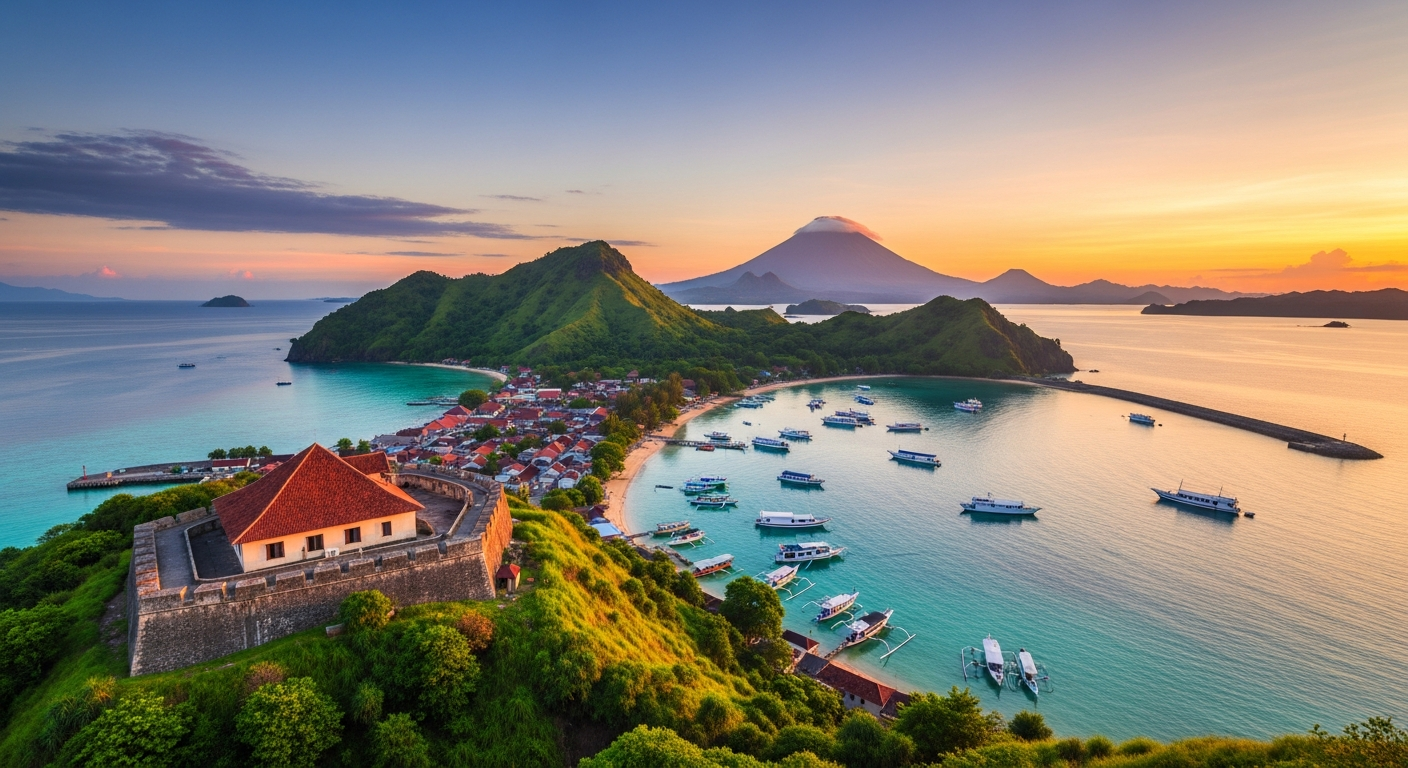
The Banda Islands boast a rich history, with significant sites dating back to the colonial era. Fort Belgica, built in 1611, stands as a testament to the islands’ past and is a must-visit for history enthusiasts. Nearby, Fort Amsterdam and the Governor’s House, constructed in 1633, offer further insights into the Dutch colonial influence in the region. The forts, constructed with materials sourced from local quarries, reflect the strategic importance of the islands during the spice trade era.
Run Island is notable for being the first British colony and holds a unique place in history. Visitors can explore the island’s remnants of colonial times while enjoying its serene beaches. Additionally, the active volcano Gunung Api, known as Fire Mountain, provides both a challenging hike and remarkable views of the surrounding archipelago. The last major eruption in 1988 reshaped the landscape, creating new lava fields that are a haven for adventurous hikers and geologists alike.
Diving and Marine Activities
For diving enthusiasts, the Banda Islands are a notable trove of underwater marvels. The dry season from March to May and September to November offers the best conditions for exploring the islands’ over 25 dive sites. Notable locations include Pulau Ai, famous for its steep drop-offs and lively marine life, and Batu Kapal, where divers can encounter a variety of shark species. Reputed as a notable, Batu Kapal’s blue waters are frequented by hammerhead sharks between September and November.
Karang Hatta, or Hatta Reef, and Pulau Keraka are also popular spots, known for their bright corals and diverse aquatic species. For those seeking a more relaxed experience, snorkeling is available across these sites, allowing visitors to witness the islands’ colorful coral gardens and rich biodiversity without diving into the depths. Nusa Laut offers unique encounters with large schools of fish and is a beloved site among seasoned divers who visit the islands annually.
Live-aboard Cruise Experience
Live-aboard cruises offer a unique way to explore the Banda Islands, combining comfort with adventure. SeaTrek Sailing Adventures, for instance, provides cabin cruises, with departures scheduled for April and October 2027. These cruises not only facilitate access to remote dive sites but also include excursions to historic nutmeg plantations and lesser-known areas of the archipelago. Onboard, guests enjoy luxurious accommodations, with suites averaging $1,200 USD per night, inclusive of meals and guided tours.
A typical Banda Spice Islands Cabin Cruise runs from April 23–30 and October 24–31, offering passengers a week-long journey through one of Indonesia’s most storied regions. Guests can enjoy guided tours, local cuisine, and the opportunity to engage with the islands’ rich cultural heritage while sailing in the picturesque Banda Sea. The itinerary often includes cultural performances by local dance troupes and culinary classes, enhancing the immersive experience.
Planning Your Visit
When planning a trip to the Banda Islands, it’s essential to consider the timing to maximize the experience. The dry season, particularly from March to May and September to November, offers more reliable weather conditions, making it easier to enjoy the islands’ natural and historical attractions. Booking well in advance is advised, especially for live-aboard cruises, as these are popular among travelers seeking an in-depth exploration of the region.
Additionally, travelers should ensure they have adequate travel insurance that covers potential disruptions, such as delayed ferry services during unpredictable weather periods. Researching local customs and preparing for basic communication in Bahasa Indonesia can also enhance the travel experience, allowing for smoother interactions with the warm and welcoming local communities. When interacting with locals, a simple “Selamat pagi” (Good morning) can go a long way in creating a friendly atmosphere.
Local Cuisine and Dining
The culinary experience in the Banda Islands is richly influenced by the region’s spice-laden history. Nutmeg, cloves, and other spices are integral to local dishes, prominently featured in traditional meals such as “ikan bumbu rujak,” a spicy fish stew infused with zesty flavors. Dining in Banda Neira offers a range of experiences, from street vendors selling fried snacks for under IDR 20,000 ($1.25 USD) to upscale restaurants where a full meal might cost approximately IDR 150,000 ($9.25 USD).
Visitors should not miss the opportunity to try “nasi kuning,” a popular yellow rice dish served during celebratory occasions, often accompanied by a variety of side dishes such as fried chicken, tempeh, and sambal (chili paste). For dessert, the local specialty “bubur sagu,” a sago porridge sweetened with palm sugar and coconut milk, offers a delightful taste of the islands’ traditional sweet treats. Dining in the Banda Islands is not just about food, but also about immersing oneself in the rich notable of cultural influences that have shaped the islands over centuries.
FAQs
Q? What is the best time to visit the Banda Islands for diving? A: The ideal time for diving in the Banda Islands is during the dry seasons, from March to May and September to November. These months offer clear waters and favorable weather conditions, maximizing underwater visibility and safety.
Q? How do I get to the Banda Islands from Ambon? A: Travelers can reach the Banda Islands from Ambon by taking a 7-hour ferry to Banda Neira, although this option is subject to weather-related delays, especially during the wet season. Alternatively, live-aboard cruises offer a more reliable and comfortable mode of transport.
Q? Are there any significant historical sites to visit on the Banda Islands? A: Yes, the Banda Islands are rich in history with notable sites such as Fort Belgica, Fort Amsterdam, and the Governor’s House. Run Island, the first British colony, and the active volcano Gunung Api add to the region’s historical significance.
For wider arrangements, our partner baliluxurytransport can coordinate end to end.
Planning something bigger across Indonesia? For premium coordination visit baliairporttransfer.
Explore all bandaislandstour.com options and plan your trip.